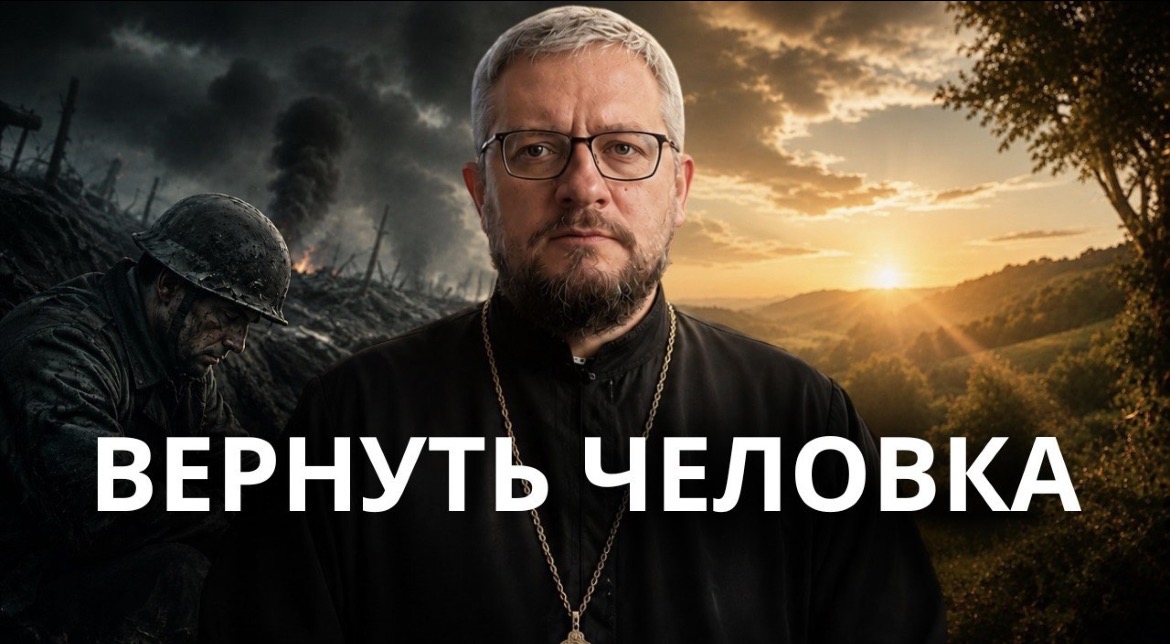
Hieromonk IAKOV (VORONTSOV), Metropolia of the Russian Orthodox Church in the Republic of Kazakhstan
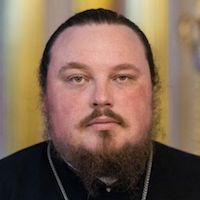
Hieromonk Iakov (Vorontsov)
Hieromonk Iakov (Vorontsov), born in 1986, cleric of the Ascension Cathedral in Almaty. After the beginning of Russia’s invasion of Ukraine, he made a public statement about the need for Kazakhstan to withdraw from the Collective Security Treaty Organization arguing that it was necessary «to fence off the aggressor in every possible way.» He also denounced the Russian invasion and its support on his social media. The Ahilla project produced a selection of his anti-war statements.
The priest also signed the appeal of the clergy of the Russian Orthodox Church for reconciliation and an end to the war in Ukraine.
Later, the Dean of the Cathedral, Archpriest Alexander Suvorov, mentioned in a Facebook post that the hieromonk was suspended from ministry without a ban on ministry. This was also reported by the Ahilla project.
On 19 June 2023, the hieromonk posted on Facebook about the termination of his ministry in the Russian Orthodox Church saying that he was leaving for a «sabbatical».
On 15 July 2024, it became known that the court of the Astana and Alma-Ata eparchy of the Kazakhstan Metropolitan District banned him from active ministry and then defrocked him. The court’s decision was approved by Patriarch Kirill of Moscow.
On 2 August 2023, Vorontsov published a Facebook post criticising the Russian Orthodox Church of the Moscow Patriarchate, stating that because of its support for Russia’s war against Ukraine, it “has long had nothing in common with Christianity”. Following an anonymous denunciation, he was summoned for questioning by Almaty police sometime between August and autumn 2023, and he deleted the post at the end of 2023. Criminal prosecution was initiated on 27 December 2023, when Almaty police opened a case against him under Article 174, Part 1 of Kazakhstan’s Criminal Code. The sole basis was that Facebook post of 2 August 2023, which the authorities interpreted as possible “incitement of religious discord”. The case was closed on 22 April 2025. News of the closure became public later, and on 8 May 2025 Vorontsov wrote publicly that over those 16 months, part of his life had effectively been “stolen”.
In January 2026, representatives of the Russian Orthodox Church’s Metropolitan District in Kazakhstan called on Kazakhstan’s President Kassym-Jomart Tokayev to reopen the criminal case on “incitement of discord” against the defrocked hieromonk — the “deposed priest” Iakov Vorontsov, a critic of the Russian invasion of Ukraine. They objected to his having described the Russian Orthodox Church as “the most vile of earthly religions, having nothing in common with Christianity”. A video appeal to the president appeared on the Telegram channel of Archpriest Aleksandr Suvorov, head of the ROC’s Department for Relations with Society in Kazakhstan, in which a number of serving priests demanded that the case be reopened. They insisted that this demand reflected not so much their own position as that of offended parishioners.
On 13 January 2026, journalist Daniyar Moldabekov reported that Vorontsov had been detained: law enforcement officers, apparently police, broke into his home at night, conducted a search, and took him to the temporary detention facility of the police department. He was sentenced to ten days’ detention under a protocol alleging that he had been drinking alcohol in a public place.
Upon his release from the special detention centre, where he had served this arrest, he was re-detained on 23 February 2026 and taken in for questioning. As his lawyer, Galym Nurpeisov, reported, the priest was accused under two Criminal Code articles — Article 302 (maintaining a drug den) and Article 296 (possession of narcotic substances without intent to sell). He was remanded in custody.
As became known on 6 March 2026, while in pre-trial detention the priest was forcibly shaved against his will, and his Bible and prayer book were confiscated. In the view of his lawyer, Galym Nurpeisov, this amounted to cruel treatment and an attempt “specifically to humiliate his human dignity and precisely his religious feelings.”